A Calm Pre-Wedding Wellness Routine: Sleep, Breaks and Everyday Habits
Create a manageable pre-wedding wellness routine with consistent sleep, regular meals, comfortable breaks and realistic preparation priorities.

A pre-wedding wellness routine can begin with ordinary things: eating lunch, keeping a reasonable bedtime and leaving space between appointments. You do not need to redesign your life or chase a promise of perfect skin to prepare for a meaningful celebration.
Use these ideas to make a busy schedule more manageable. Adapt them to your work, family responsibilities and personal needs instead of treating them as another checklist you must complete perfectly.
Choose the few decisions that matter today
Write down what needs attention this week, then choose the decisions that genuinely have a deadline. Put the rest in a separate list so they are recorded without occupying every evening. A visible plan can make it easier to tell someone exactly where you need help.
The National Institute of Mental Health includes setting priorities and staying connected among its practical self-care suggestions. Choose one task to hand over, such as confirming an appointment or collecting an accessory, and agree on who owns the next step.
Protect a familiar sleep schedule
The CDC recommends at least seven hours of sleep for adults aged eighteen to sixty. It suggests consistent bed and wake times, a quiet and cool bedroom, and turning off electronic devices at least thirty minutes before bed. Sleep quality matters alongside the number of hours.
Give wedding planning an evening stopping point. Put tomorrow's questions in a note instead of keeping every conversation open late into the night. If you regularly struggle to sleep, discuss it with a healthcare provider rather than assuming a better schedule will solve every difficulty.
Make ordinary meals easy to reach
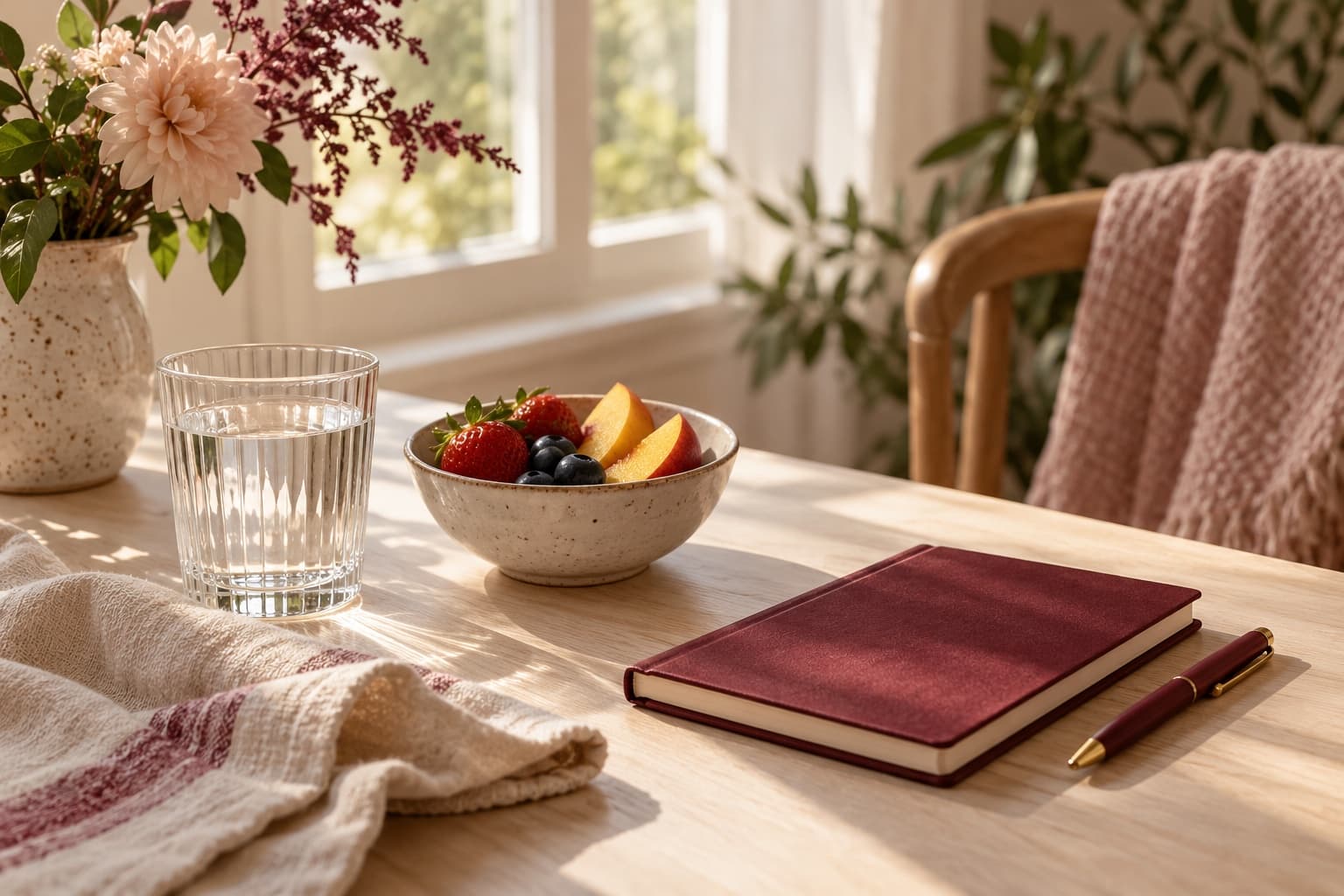
A run of fittings, errands and appointments can leave meals as an afterthought. Look at the day's route and decide where lunch belongs before you leave. Pack something convenient if there will be a long gap, and keep water accessible.
NIMH recommends regular balanced meals and hydration as everyday self-care. There is no need to turn preparation into a restrictive diet or a last-minute supplement experiment. Build around food you know you enjoy and the needs of your usual routine.
Keep breaks comfortable and enjoyable
A break can be a short walk, a few minutes with music or a quiet conversation with someone who does not need a wedding decision from you. Choose an activity that fits your circumstances and feels restorative to you, rather than one you think you are supposed to enjoy.
NIMH suggests regular movement and relaxing activities as part of self-care. Add a small pause between appointments when possible. If the schedule is full, begin by avoiding an unnecessary extra errand rather than adding a demanding new routine.
Prepare a kinder wedding-morning plan
Organize the items you need into clear groups: clothes, accessories, personal essentials and touch-up products. Share the timeline with the people helping you, and name the person who can answer routine questions while you are getting ready.
Leave a place for breakfast, water and a short pause in the schedule. A calm morning is not guaranteed by any checklist, but clear responsibilities make the plan easier to follow. If something changes, decide what actually needs attention rather than trying to preserve every small detail.
Keep In Mind
- Keep tomorrow's decisions in one short note.
- Give a trusted person a specific task to own.
- Put meal and preparation times on the same schedule.
Common Questions
Do I need a special wellness program before my wedding?
No. Start with habits that fit your existing life: regular meals, enough rest, manageable priorities and support from people you trust. A useful routine should leave you with fewer demands to manage.
Can better sleep guarantee a bridal glow?
No. Sleep supports health and wellbeing, but it does not guarantee a particular skin appearance. Protect rest for your comfort and everyday needs rather than as a promise of a cosmetic result.