Everyday Makeup for Brown Skin: Building a Balanced Look
Build an everyday makeup look for brown skin with thoughtful shade matching, light layers, balanced color and a routine that suits your preferences.
An everyday makeup routine is easier to repeat when each step has a purpose. You might want a more even-looking base, a little definition around the eyes or a favorite lip color. You can choose one of those things or combine them without committing to a full face every morning.
Brown skin includes many depths and undertones. South Asian heritage does not determine your foundation shade, preferred colors or skin type. Give yourself room to compare options on your own skin.
Choose a finish before choosing products
Think about what you want to see in the mirror. A sheer finish can leave freckles and natural variations visible; a fuller base can create a more uniform effect. A satin, matte or luminous appearance is a style preference, so start with the finish you actually like.
You can use concealer only where you want it and leave the rest of your face alone. A routine with fewer steps is still a complete routine when it gives you the result you enjoy.
Compare shades against your face and neck
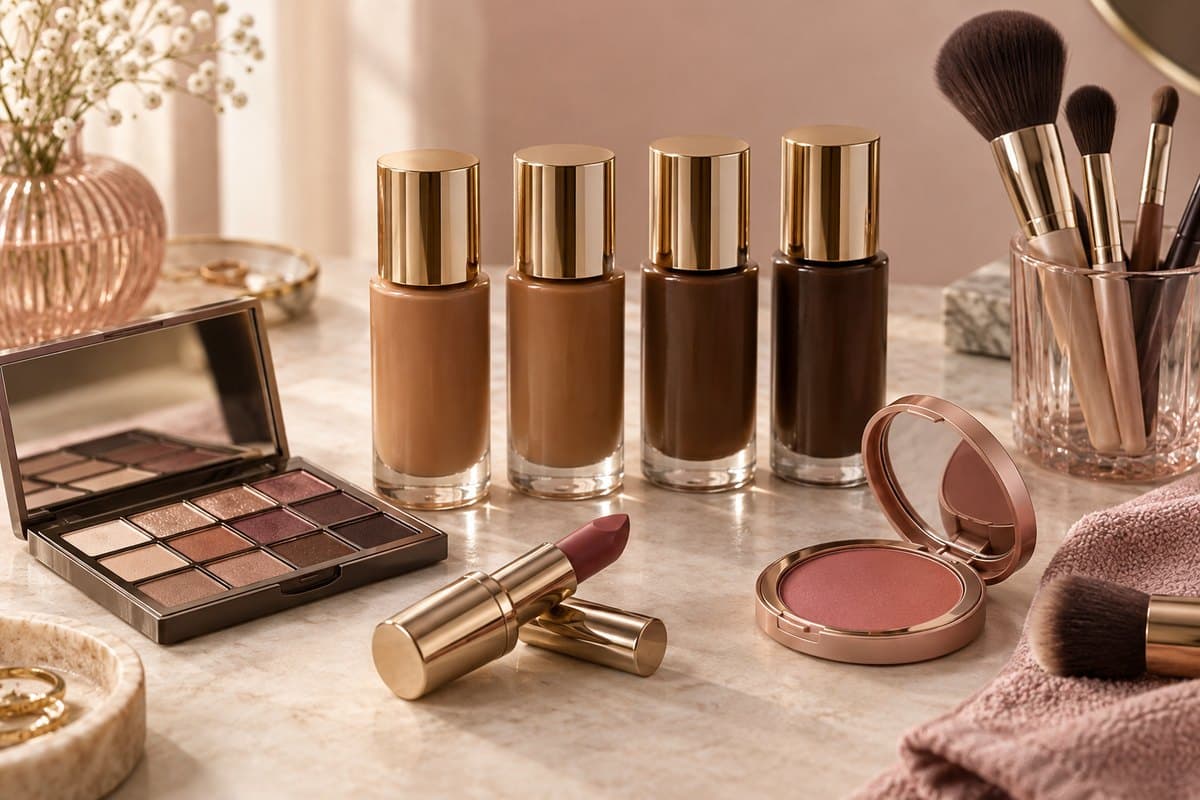
When possible, try a few neighboring shades and compare them in natural light. Look at your face and neck together, particularly if their colors differ. Check how the product looks after it has settled rather than deciding from a bottle or the shade name alone.
Terms such as warm, cool and neutral can help narrow a search, but brand labels vary. Keep a note of products that suit you and what you like about their color. That is more useful than assuming one undertone because of your background.
Build the base with small amounts
Begin with a small amount of product, blend and look again before adding more. Concentrate coverage on the areas where you want it rather than automatically covering every part of the face equally. Step back from the mirror occasionally to see the overall effect.
If you enjoy color correction, introduce it selectively and compare the result with your usual concealer alone. Not everyone needs a corrector. The useful question is whether the additional step improves the look you are trying to create.
Add color and choose a focal point
Blush, eye color and lipstick do not have to follow a fixed palette. Try a soft amount first, then build until the color looks intentional to you. If a shade feels unfamiliar, test it on a quiet day when there is time to adjust it.
Choosing one focal point can simplify decisions. You might pair defined eyes with a quieter lip or let a rich lip color lead the look. This is a useful starting exercise, not a restriction: a balanced look can also include several expressive features.
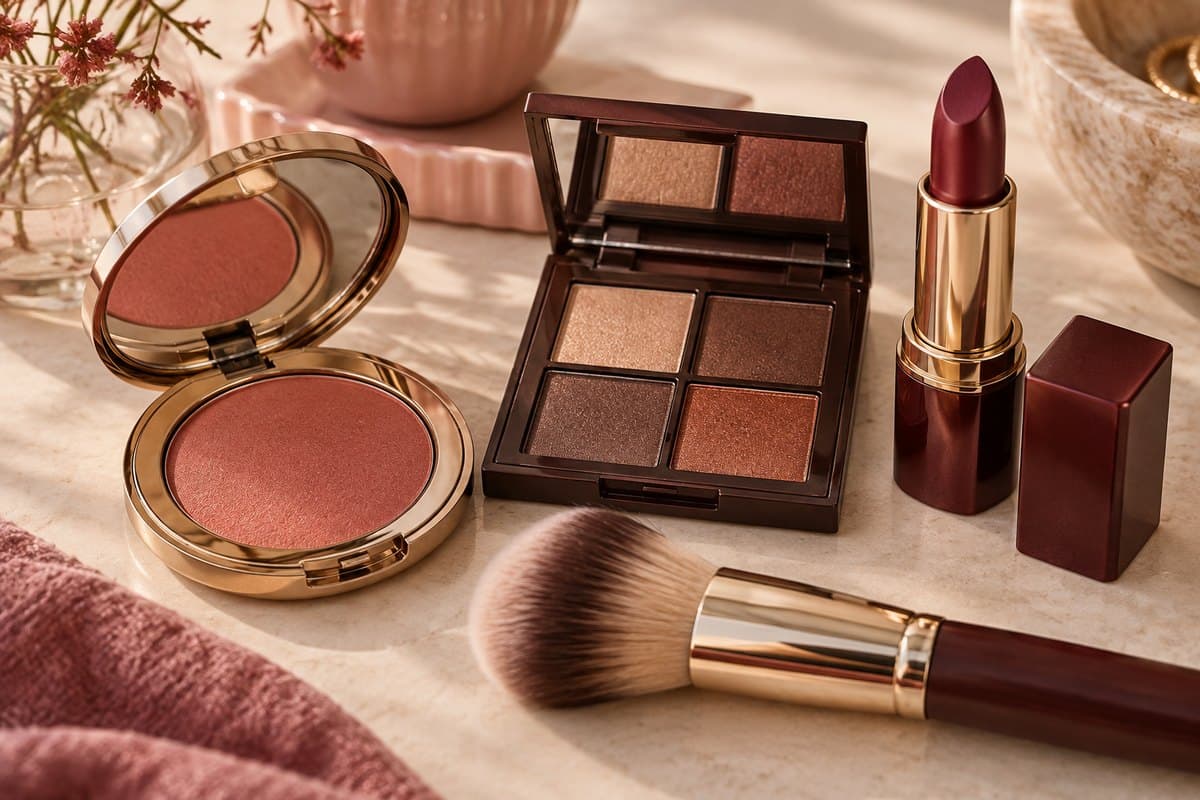
Keep the routine easy to repeat and remove
Arrange your everyday products in the order you use them. After a week, notice which steps you reach for and which you skip. Keep the reliable ones together and save experimental colors for days when you want more time.
For skin prone to clogged pores, the American Academy of Dermatology suggests looking for labels such as non-comedogenic or oil-free. Remove makeup before bed and cleanse gently rather than scrubbing. A product label does not mean that every formula will suit every person.
Keep In Mind
- Keep a note of your preferred shade and finish.
- Photograph favorite color combinations for reference.
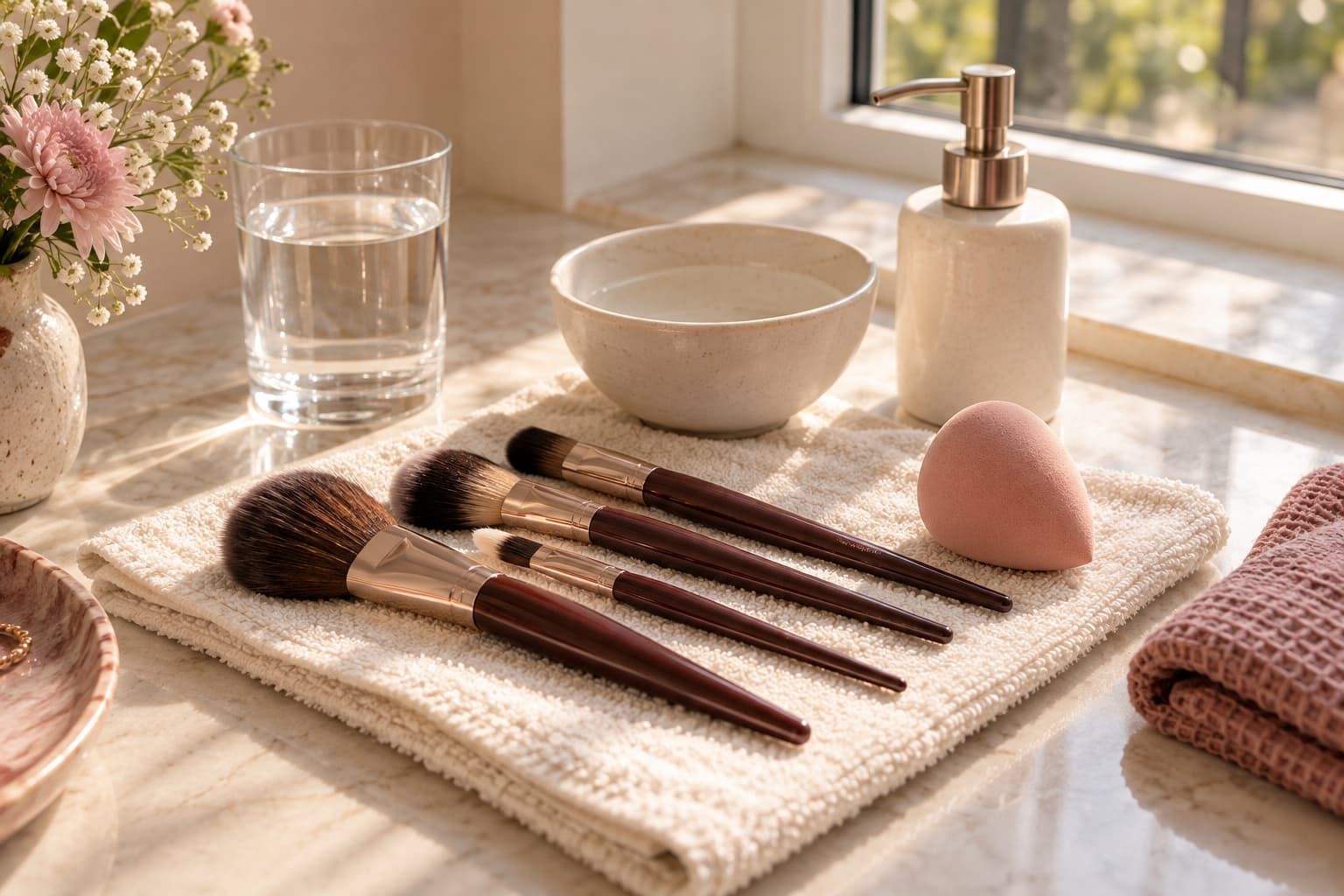
- Set aside time to clean the tools you use most.
Common Questions
Do all brown skin tones have warm undertones?
No. Brown skin spans a wide range of undertones. Compare products on your own face and neck, and treat shade descriptions as a starting point rather than a universal rule.
Do I need foundation for everyday makeup?
Only if you want it. You can use concealer in selected areas, focus on eyes and lips, or wear a small amount of blush. Choose the steps that make the routine useful and enjoyable for you.